

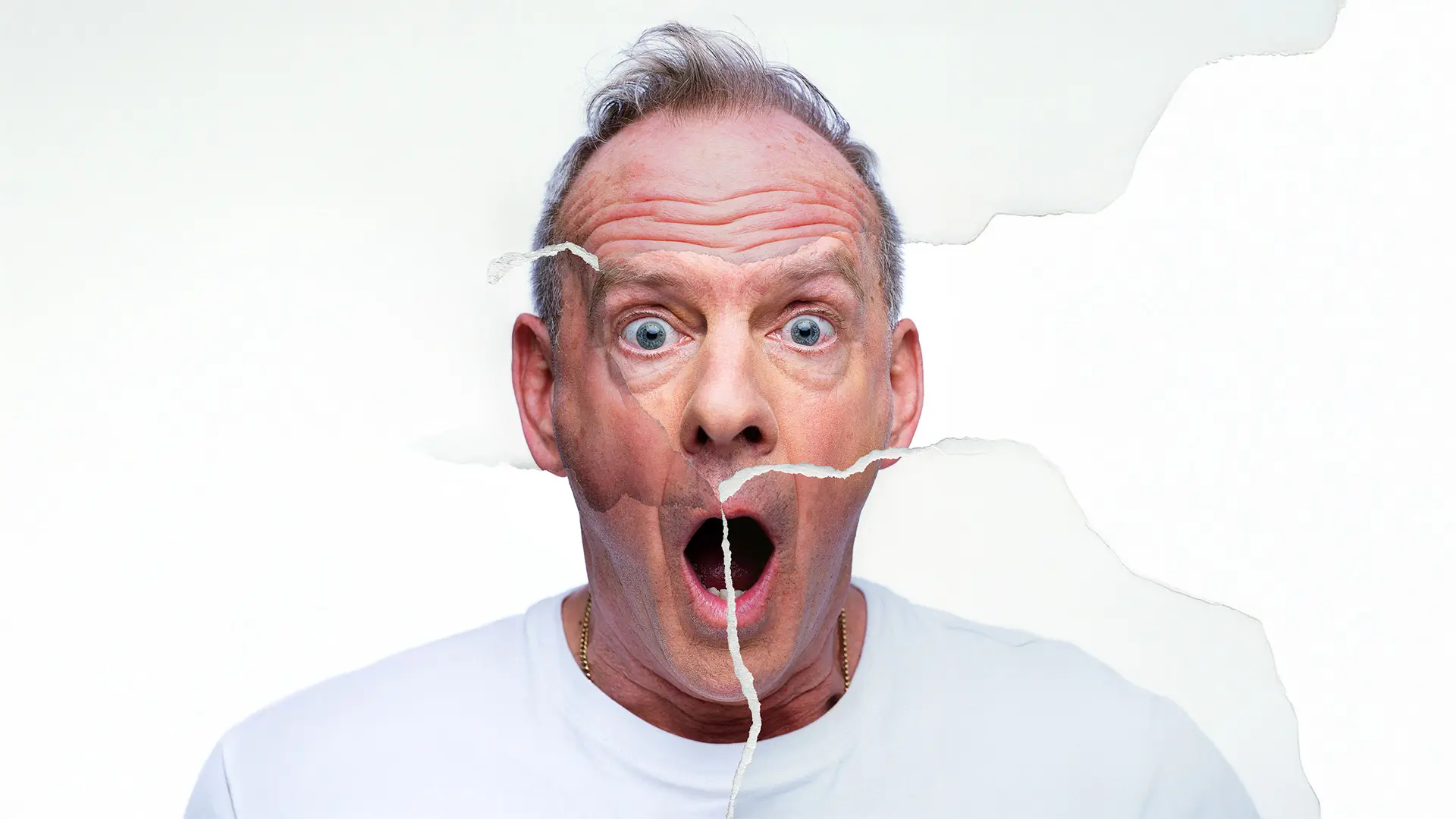
Charlamos con Norman Cook, una de las figuras clave de la historia de la música electrónica, con motivo de su regreso a FABRIK este sábado para ofrecer un set de tres horas en LOOP
Wololo Sound: Hola, Norm. Es un placer darte la bienvenida por primera vez a Wololo Sound antes de tu regreso a Madrid para LOOP by FABRIK. Antes de entrar en la música, ¿cómo estás, Norman, tanto a nivel personal como profesional?
Fatboy Slim: Estoy bien en ambos sentidos. Especialmente en lo profesional. Aunque, pensándolo bien, he hecho tantas cosas profesionalmente que lo personal tampoco ha tenido demasiado tiempo.
Pero mis hijos están bien y tengo buena salud. He tenido un verano realmente intenso, haciendo un montón de cosas emocionantes. Y, ya sabes, a mi edad, me alegra simplemente seguir aquí, que sigan queriendo contar conmigo y estar vivo. (Ríe)
Wololo Sound: Hello, Norm. It’s a pleasure to welcome you to Wololo Sound for the first time, ahead of your return to Madrid for LOOP by FABRIK. And before we get into the music, how are you, Norman, both personally and professionally?
Fatboy Slim: I am well on both those fronts. Especially professionally. Mind you, I’ve done so much professionally, personally hasn’t had much time.
But my children are well and my health is good. I’ve had a really, really busy summer doing lots of exciting things. And, you know, at my age, I’m happy just to still be here, wanted and alive! (Laughs)
Los diferentes alias de Norman Cook
WS: Para empezar con la música, nos gustaría mirar por un momento más allá de Fatboy Slim, porque has publicado música bajo diferentes nombres, como Pizzaman o Mighty Dub Katz. Si hoy hicieras una canción que sonara muy diferente de lo que la gente espera de Fatboy Slim, ¿la publicarías igualmente bajo ese nombre o recurrirías a otro alias?
Fatboy Slim: Oh, eso sería emocionante.
Sí, tendría otro nombre. Aunque primero tengo que decir que esto no va a pasar, ¿vale? Porque ahora mismo me cuesta mucho… No está saliendo prácticamente nada de mí en cuanto a hacer música.
Pero si, por alguna extraña casualidad, de repente hiciera algo que no fuera un disco de Fatboy Slim ni de Mighty Dub Katz, me encantaría publicarlo con otro nombre.
Porque cuando hacía eso antes era en la época anterior a internet. Era bastante fácil simplemente sacar un disco. Lo prensabas, lo vendías a las tiendas y no necesitabas construir una historia alrededor. No necesitabas presencia online. Nadie sabía realmente quién eras y, muchas veces, tampoco les importaba demasiado.
Era algo bastante anónimo.
Pero hoy sería bastante interesante intentar publicar un disco sin que nadie supiera que eres tú. Tendrías que inventarte una especie de historia de tapadera.
WS: Sería divertido.
Fatboy Slim: ¡Lo sé! Sería muy divertido.
Pero mi producción en el estudio ahora mismo es prácticamente cero. Tengo todo el año ocupado pinchando y mi cabeza no está precisamente en un momento creativo para producir; está centrada en pinchar música de otra gente.
WS: Estás más centrado en pinchar, quizá hacer mashups…
Fatboy Slim: Sí, totalmente. Creo que este año voy por 114 actuaciones.
Y eso ocupa la mayor parte de mi año. Por eso, en mi pasaporte, donde pone profesión… antes ponía DJ/productor y ahora pone simplemente DJ.
WS: To start with the music, we’d like to look beyond Fatboy Slim for a moment, because you’ve released music under different names, like Pizzaman and Mighty Dub Katz. If you made a track today that sounded very different from what people expect from the Fatboy Slim name, would you still release it under that name, or would you use another alias?
Fatboy Slim: Oh, that’s exciting!
I would have another name, yes… Because I think… I mean, I have to say, first of all, this isn’t going to happen, okay? Because I struggle to… There’s nothing coming out at the moment in terms of making music.
But if, by some strange chance, I suddenly made something, and it wasn’t a Fatboy record or it wasn’t a Mighty Dub Katz record, I would love to.
Because when I used to do it before, that was pre-internet, okay? And it was quite easy just to put a record out. You would press up the record, you would sell it to the shops, and you didn’t have to have a story. You didn’t have to have an online presence. Nobody really knew who you were, and a lot of times they didn’t really care who you were.
So it was kind of faceless.
But in this day and age, it would be quite interesting trying to put a record out and not let anybody know it was you. You would have to have, like, a cover story.
WS: That would be fun, definitely.
Fatboy Slim: I know! It would be great fun.
But my output in the studio is almost zero at the moment. My whole year is filled up with DJing, and my head isn’t really in a creative mood for making records, just for playing other people’s.
WS: You’re focused on DJing, maybe mashups, right?
Fatboy Slim: Yeah, absolutely. I think I’m on 114 shows this year.
And that takes up most of the year for me. That’s why it says on my passport, under occupation… It used to say DJ/producer, now it just says DJ.
30 años de ‘Better Living Through Chemistry’
WS: Centrándonos ya específicamente en Fatboy Slim: se cumplen 30 años de ‘Better Living Through Chemistry’, tu primer álbum bajo este nombre. La edición de aniversario recupera varias caras B y canciones poco habituales. ¿Qué tema menos conocido de aquella época te gustaría que la gente redescubriera y con qué estabas experimentando cuando lo hiciste?
Fatboy Slim: Otra buena pregunta.
Probablemente ‘Michael Jackson’.
‘Michael Jackson’ fue una cara B, pero solamente porque la hice como un mes demasiado tarde. Habría formado parte del álbum si la hubiera terminado a tiempo.
Y era una de esas cosas maravillosas… Las generaciones más jóvenes no entienden el concepto de una cara B.
Pero una cara B era algo así como: sabías que tenías la canción buena, la que iba a sonar en la radio y que todo el mundo iba a escuchar, y entonces necesitabas otra canción. Así que no había presión. No tenía por qué ser un éxito.
Y ahí era donde podías experimentar.
Así que ‘Michael Jackson’ surgió simplemente de experimentar con la idea de encontrar un sample que nombrara a mis dos artistas menos favoritos de aquel momento, sin decir nada malo sobre ellos, simplemente repitiendo sus nombres.
Nunca estuvo en un álbum. Solo fue una cara B de… ni siquiera recuerdo de qué canción era la cara B.
Pero acabó apareciendo en Tomb Raider. Hice otra versión llamada ‘Illuminati’ para Tomb Raider.
Y una cosa que me gustaba mucho era que el sonido principal, lo que vendría a ser la guitarra solista, era en realidad un coche de carreras pasando y tocando dos notas.
Disfruté mucho haciendo aquello. Como decía, me gustaba bastante hacer una canción cuyo hook fueran simplemente los nombres de mis dos artistas menos favoritos. (Ríe)
WS: And now, talking specifically about Fatboy Slim: 30 years of ‘Better Living Through Chemistry’, your first album under this name. This anniversary edition brings back several B-sides and rare tracks. Which overlooked track from that period would you most like people to rediscover, and what were you experimenting with when you made it?
Fatboy Slim: Oh, another good question!
Probably ‘Michael Jackson’.
‘Michael Jackson’ was a B-side, but only because I did it, like, a month too late. It would have been on the album had I done it in time for the album.
And it was one of those great things… You know, the younger generation don’t understand the concept of a B-side.
But a B-side was like… You knew you had the good tune that was going to be played on the radio and that everybody was going to hear. And it’s like, you need one other tune, so there was no pressure. There was no pressure for it to be a hit.
And that’s when you could just experiment.
So, yeah, ‘Michael Jackson’ was just experimenting with the idea of finding a sample which named my two least favourite artists at that moment in the world, and not saying anything bad about them, just repeating their names.
It was never on an album. It was only ever a B-side of… I can’t remember what it was the B-side of.
But it did end up in Tomb Raider. I did another version of it called ‘Illuminati’ for Tomb Raider.
But I just think it was… Basically, the lead noise, what would be the lead guitar, is a racing car going past that played two notes.
And I quite enjoyed making that. Like I said, I quite enjoyed making a tune where the hook line was just my two least favourite recording artists! (Laughs)
Los remixes de ‘Better Living Through Chemistry’
WS: También hemos visto varios remixes con motivo del 30.º aniversario de ‘Better Living Through Chemistry’, entre ellos nuevas versiones de ‘Song for Lindy’. ¿Hay planes para publicar remixes oficiales de otros temas del álbum? Y si pudieras elegir el siguiente, ¿cuál sería?
Fatboy Slim: Si pudiera elegir, sería ‘Give the Po’ Man a Break’.
La semana pasada hice un concierto por el 30.º aniversario en el que toqué el álbum entero.
Y cuando puse ‘Give the Po’ Man a Break’ recordé cuánto me gustaba esa canción.
WS: Vi que la gente iba vestida de químicos en aquel evento.
Fatboy Slim: Sí, sí. ¡Químicos!
Hicimos la fiesta en la Royal Society of Chemistry de Londres, que está en un edificio muy antiguo. Y el último músico que había actuado allí era Händel.
Así que sí, era un lugar realmente precioso para hacer algo así.
Le dimos una bata blanca a todo el mundo y llevaban pequeñas pegatinas con nombres, como si fueran doctores.
Fue una noche muy divertida.
Incluso me entrevistó la revista New Scientist, que es una publicación científica.
Creo que ellos estaban igual de desconcertados. No estoy seguro de que entendieran del todo la referencia apenas disimulada a las drogas que hay detrás de ‘Better Living Through Chemistry’.
Simplemente les hacía mucha gracia que este DJ quisiera ir a tocar a su venerable sede.
WS: We’ve also seen a couple of remixes for this 30th anniversary edition of ‘Better Living Through Chemistry’, including new versions of ‘Song for Lindy’. Are there plans to release other official remixes of tracks from the album? And if you could choose the next one, which would it be?
Fatboy Slim: If I could choose, it would be ‘Give the Po’ Man a Break’.
Because I did a show last week, like a 30th anniversary show, where I played the album in full.
And when I played ‘Give the Po’ Man a Break’, I remembered how much I enjoyed that tune.
WS: People were dressed up as chemists at that show.
Fatboy Slim: Yeah, yeah, yeah! Chemists!
We threw the party in the Royal Society of Chemistry in London, which is a very old building. And the last musician that they had playing in there was Händel.
So, yeah, a very, very beautiful venue to have the thing in.
We gave everybody white coats, and they had little name stickers with, like, doctor…
It was a funny night.
I even got interviewed by New Scientist magazine, which is like the journal of science.
I think they were just as bemused. I’m not sure if they got the kind of thinly veiled drug reference about ‘Better Living Through Chemistry’.
But they just thought it was very funny that this DJ wanted to come and play in their hallowed headquarters.
Inteligencia artificial, errores y creatividad
WS: Hace poco hablaste en otra entrevista de “estupidez artificial” para explicar que la IA tiene menos posibilidades de cometer esos errores e imperfecciones que muchas veces hacen que el arte sea interesante. Mirando a tu propia música, ¿qué error o accidente terminó convirtiéndose en una parte esencial de tu lenguaje musical?
Fatboy Slim: ¿Que qué error? Creo que, como ocurre con muchas cosas, la distorsión.
La distorsión. Piensa, por ejemplo, en una guitarra de rock y en cómo se distorsiona el aire para conseguir ese sonido.
Siempre me había encantado la 303, que es una pequeña caja de plástico que hace una especie de sonido sexy. Pero nunca terminaba de producir un sonido que realmente golpeara.
Y un día la conecté a un canal de mi mesa de mezclas que estaba con la ganancia muy alta y la 303 se distorsionó. Y pensé: “¡Guau! Ahora sí estamos hablando”.
Nunca se me había ocurrido saturar una 303 de la misma forma en que lo harías con una guitarra. Y no ocurre exactamente si simplemente la pasas por un amplificador, sino cuando saturas la entrada del canal de la mesa.
De repente fue como: “Dios mío, ese sonido sexy…”.
WS: ¿Simplemente subiendo los dB?
Fatboy Slim: Más bien subiendo mucho la señal de entrada en la mesa, hasta sobrecargarla desde esa primera etapa.
WS: ¿Y crees que descubrimientos como ese siguen siendo posibles cuando las herramientas actuales están diseñadas precisamente para evitar errores y hacer las cosas correctamente?
Fatboy Slim: No sé si la IA comete errores, pero si pienso en cómo está programada, imagino que si cometiera uno diría [voz de robot]: “Oh, no. Esto es un error”.
No diría [voz de robot]: “Oh, no. Esto es un error, pero en realidad suena bastante interesante. Quizá haya encontrado algo”.
Ahí está esa falibilidad humana.
La mayoría de las cosas que ocurren en el arte, ya sea música, cine, fotografía o en el habla, son interesantes precisamente por las inseguridades y los defectos de la humanidad. De ahí surgen las emociones.
Creo que el mejor ejemplo está en la historia del arte. Durante siglos, todo el mundo —Miguel Ángel y todos los demás— intentaba que el arte pareciera realista. La Mona Lisa tenía que verse bellísima y ser extremadamente precisa.
Pero cuando se inventó la cámara, de repente fue como: “Ah, esto podemos hacerlo fácilmente. Hay una máquina que puede hacerlo por ti”.
Así que los artistas, en lugar de intentar competir con las máquinas, comenzaron deliberadamente a hacer las cosas “mal”, y apareció el impresionismo.
Después el arte abstracto, el cubismo… Los artistas pensaron: “Cualquiera puede hacer algo preciso. Hagámoslo mal deliberadamente y veamos qué ocurre”.
Y esa es la base de todo el arte moderno. Ya no consiste en ser fiel o exacto, sino en preguntarte cómo puedes distorsionar las cosas para provocar algo en la gente.
WS: ¿Crees que ahora puede ocurrir algo similar con la música? ¿Que los verdaderos artistas intenten hacerla deliberadamente imperfecta?
Fatboy Slim: No lo sé. Realmente no lo sé.
La IA podría matarnos a todos y destruir a la raza humana antes de que tengamos oportunidad de descubrir qué va a hacer con la música.
Lo único que sé es que toda la música creada con IA que he escuchado me parece bastante insípida. Nunca es traviesa. Nunca es revolucionaria. Nunca cuestiona nada. Simplemente hace lo que cree que todo el mundo ya ha hecho.
Y también lo he notado con flyers, anuncios y ese tipo de cosas. Puedes detectar uno hecho con IA porque es demasiado perfecto o simplemente aburrido.
Así que creo que los humanos reaccionaremos contra eso. Tendremos una especie de detector de bullshit.
Creo que todos estamos desarrollando ese instinto para reconocer cuándo nos están mintiendo. Para saber: “Esto no es real, esto es IA”.
Aunque, como he dicho, quizá los ordenadores nos destruyan antes de que eso ocurra.
WS: You recently talked in another interview about “artificial stupidity” to explain that AI is less likely to produce the kinds of mistakes and imperfections that often make art interesting. Looking back at your own music, which mistake or accident became an essential part of your musical language?
Fatboy Slim: Ooh… Which mistake?
I think, as with everything, distortion.
Distortion. I mean, you know, like rock guitar, where they distort the air? That’s that rock guitar sound. I’d always loved the 303, which is a little plastic box…
And it makes this sort of sexy noise. But it never really made the noise that really punched.
And then one day, I plugged it into a channel on my mixing board that was cranked right up high, and it distorted the 303. And I’m like, “Whoa! Now you’re talking!”
It never occurred to me to overdrive a 303 in the same way you would a guitar. And it doesn’t particularly… Not so much if you put it through an amplifier, but if you blow up the channel on top of the mixing board.
And then I was literally just like, “Oh my God! That sexy sound…”
WS: Just turning up the dBs?
Fatboy Slim: Well, just taking up the input into the desks, so you’re overloading at the input stage.
WS: And do you think discoveries like these are still possible when today’s tools are designed to avoid mistakes and get everything right?
Fatboy Slim: I think… I’m not sure if AI makes mistakes, but if I’m thinking about the way AI is programmed, if it made a mistake, it would go [robot voice], “Oh no, that is a mistake.”
Not [robot voice], “Oh no, that is a mistake, but actually it sounds quite interesting. Maybe I’m onto something here.”
So, yeah, it’s that human fallibility.
Most of what happens in art, if it’s music or film or photography or the spoken word, it’s the insecurities and the faults of humanity that make it interesting. That’s where emotions come from.
I think the best example was, there was art through the ages. Everybody, Michelangelo and… They were all trying to make art look realistic. The Mona Lisa had to look so beautiful and so accurate.
Now, when they invented the camera, all of a sudden it’s like, “Oh, we can do that easily. There’s a machine that can do that for you.”
So artists, instead of trying to compete with the machines, they deliberately did things wrong, and they invented Impressionism.
And abstract and Cubism. And then artists thought, “Well, anyone can make something accurate. Let’s do it wrong deliberately and see how that…”
And that’s the basis of all modern art. It’s not being faithful or accurate anymore. It’s, you know, how do I distort things to turn people on?
WS: And do you think that’s going to happen with music more now? The true artists are going to try to make it kind of imperfect?
Fatboy Slim: I don’t know. I mean, I really don’t know.
AI might kill us all, might destroy the human race before we get a chance to find out what it’s going to do with music.
All I know is, all the music I’ve heard made by AI is quite bland. It’s never naughty. It’s never revolutionary. It never questions anything. It just does what it thinks everybody else has done.
And also, I’ve noticed with flyers and ads and things like that, you can tell an AI one because it’s just too good, or it’s just boring. So I think people, I think humans will react against that. We’ll have, like, a bullshit detector.
Yeah, I think we’re all developing that instinct of knowing when we’re being lied to. You know, that this isn’t real, this is AI.
But like I said, we might all be destroyed by the computers before that happens.
Argentina, la música local y los retos en cabina
WS: Cambiando un poco de tema: durante uno de tus sets en Argentina pinchaste una canción de Charly García, uno de los iconos del rock argentino. Ahora que vienes a Madrid, ¿hay alguna canción, artista o sonido español que te tentaría incorporar a tu set en FABRIK?
Fatboy Slim: Lo que ocurrió en Argentina fue que escuché esa canción porque una amiga mía la puso justo antes de que yo saliera a pinchar y vi la reacción del público.
Así fue como descubrí ese tema.
Eso ocurrió hace un par de años y, desde entonces, cada vez que vuelvo la gente me manda mensajes privados y me envía otra canción.
Y también hubo… sí, alguien me mandó una banda de rock argentina que había utilizado ‘Praise You’ como base para una de sus canciones.
Así que volví a remezclar aquello y… la canción se llamaba, de hecho, ‘Niño Gordo Flaco’. (Ríe)
La siguiente vez que fui hice un remix de eso.
Pero yo no voy buscando cosas pensando: “Voy a España, así que debería poner a un artista español y hacerle un remix”.
No voy buscando problemas.
WS: Tiene que surgirte de alguna manera, ¿no?
Fatboy Slim: Sí, porque toco en países diferentes prácticamente cada semana. No tengo tiempo para ponerme a investigar todo eso.
Y además, claro, está bien hacer un guiño y decir: “Mira, aprecio vuestro país y vuestra cultura”.
Pero la idea de toda esta «polinización cruzada» consiste en que yo vaya allí y lleve lo que hago, no en intentar sonar español.
Solo sucede cuando alguien me reta, cuando alguien me pone una canción y me dice: “Apuesto a que no eres capaz de meter esto en tu set”.
WS: Te gustan los retos.
Fatboy Slim: ¡Sí!
WS: During one of your sets in Argentina, I think it was a couple of years ago, you played a track by Charly García, an icon of Argentine rock. When you come now to Madrid, is there a Spanish song, artist or sound that you’d be tempted to bring into your set at FABRIK?
Fatboy Slim: Well, the thing with Argentina was, that track, I heard a friend of mine play just before I went on, and I saw the crowd’s reaction.
That’s how I discovered that track.
But then that was a couple of years ago, and then I’ve been back. Every time I go back, people DM me and send me another tune.
And then there was… Yeah, somebody sent me an Argentinian rock band who’d used ‘Praise You’ as a basis of one of their songs.
So I remixed that back into… And the tune was actually called ‘Niño Gordo Flaco’! (Laughs)
So the next time I came, I remixed that.
I don’t go looking and going, “Well, look, I’m coming to Spain, so I should play a Spanish artist and remix it.”
I don’t go looking for trouble.
WS: It’s just if it comes to you somehow, right?
Fatboy Slim: No, because the thing is, I play in different countries every week. I haven’t got the time to go…
But also, you know, I figure it’s nice to nod and say, “Look, I appreciate your country and your culture.”
But the whole idea of this cross-pollination is I go and bring what I do and not try and sound Spanish.
It’s only when someone dares me, when someone plays me a tune and goes, “I bet you can’t get this into your set.”
WS: You like challenges!
Fatboy Slim: Yeah!
Su relación con Chloé Caillet
WS: Esa amiga que te descubrió aquella canción por primera vez en Argentina era Chloé Caillet, ¿verdad?
Fatboy Slim: Sí.
WS: Ella también hizo un remix de ‘Role Model’ y ambos vais a tocar este sábado en LOOP by FABRIK. ¿Qué escuchaste en sus producciones o en sus sets para querer que llevara una de tus canciones a su propio terreno?
Fatboy Slim: Vida, amor y sentido del humor.
Creo que demasiados productores y DJs se toman demasiado en serio a sí mismos.
Y lo que me encanta de Chloé es que es muy juguetona. Entiende que la música consiste en jugar, especialmente el tipo de música que hacemos nosotros.
Y sí, toco mucho con ella.
Digamos que nos enamoramos durante aquella gira por Argentina que hicimos juntos.
Pero intento tocar con ella siempre que podemos.
Creo que ambos tenemos el mismo enfoque: nos tomamos la música muy en serio, pero no nos tomamos demasiado en serio a nosotros mismos.
Y el objetivo cuando sales es divertirte. No ponerte una camiseta negra e intentar parecer muy cool.
WS: That friend that introduced you to that song for the first time in Argentina, she was Chloé Caillet, yes?
Fatboy Slim: It was, yeah.
WS: She also remixed ‘Role Model’, and you’ll both be playing at LOOP by FABRIK this Saturday. What did you hear in her productions or her sets that made you want her to give one of your tracks her own take?
Fatboy Slim: Life, love and sense of humour.
I think so many producers and DJs just take themselves way too seriously.
And what I love about Chloé is she’s very playful. She understands that music is about being playful, especially the kind of music we do.
And, yeah, I play with her a lot.
I mean, we kind of fell in love on that Argentinian tour we did together.
But I play with her a lot whenever we can.
I think we both have the same approach: we take the music very seriously, but we don’t take ourselves too seriously.
And the name of the game, to go out, is to have fun. Not to wear a black T-shirt and be pretty cool.
La tercera hora y la verdadera magia de un set extendido
WS: Y para terminar: en LOOP by FABRIK tendrás tres horas para pinchar. En otra entrevista comentaste que es precisamente en la tercera hora cuando llega la verdadera magia, una vez que tú y el público ya os conocéis. ¿Puedes contarnos algún giro musical que hayas llegado a tomar en ese punto de un set largo y que nunca intentarías en una actuación más corta de festival?
Fatboy Slim: Vale.
Cualquiera que venga al show del sábado: si me escucháis pinchar un edit acid house de ‘Everywhere’ de Fleetwood Mac, entonces sabréis que hemos llegado a ese destino.
Hay determinadas canciones así que llevo en mi carpeta.
Y me digo a mí mismo: “Si consigo pinchar esto, significa que hemos llegado”.
Y no siempre ocurre.
Es como ponerme una misión. Si siento que realmente hemos conseguido llegar al destino final, ese es el destino final.
WS: Espero que lleguemos. Tengo muchísimas ganas de este show. Muchísimas gracias, Norman.
Fatboy Slim: Nos vemos el sábado.
WS: At LOOP by FABRIK, you have three hours to play. We love this. And in another interview, you said that the third hour is where the real magic happens, once you and the crowd know each other. Can you tell us about a musical turn that you’ve taken at this point, at extended or long sets, that you wouldn’t have tried in a shorter festival set?
Fatboy Slim: Okay.
Anyone who comes to the show on Saturday, if you hear me play an acid house edit of ‘Everywhere’ by Fleetwood Mac, then you know we’ve arrived at that destination.
I mean, I think there’s certain tracks like that that I put in my crate.
And I say to myself, “If I get to play that, that means I’ve got there.”
And it doesn’t always happen.
It’s like setting myself a task of, if I feel that we’ve really got to the final destination, that is the final destination.
WS: I hope we get there! I’m so looking forward to this show. Thank you so much, Norman.
Fatboy Slim: I’ll see you on Saturday.